Copenhagen in 2 Days Without a Car: A Practical 2026 Travel Guide
Fact-checked: 21 October 2026.
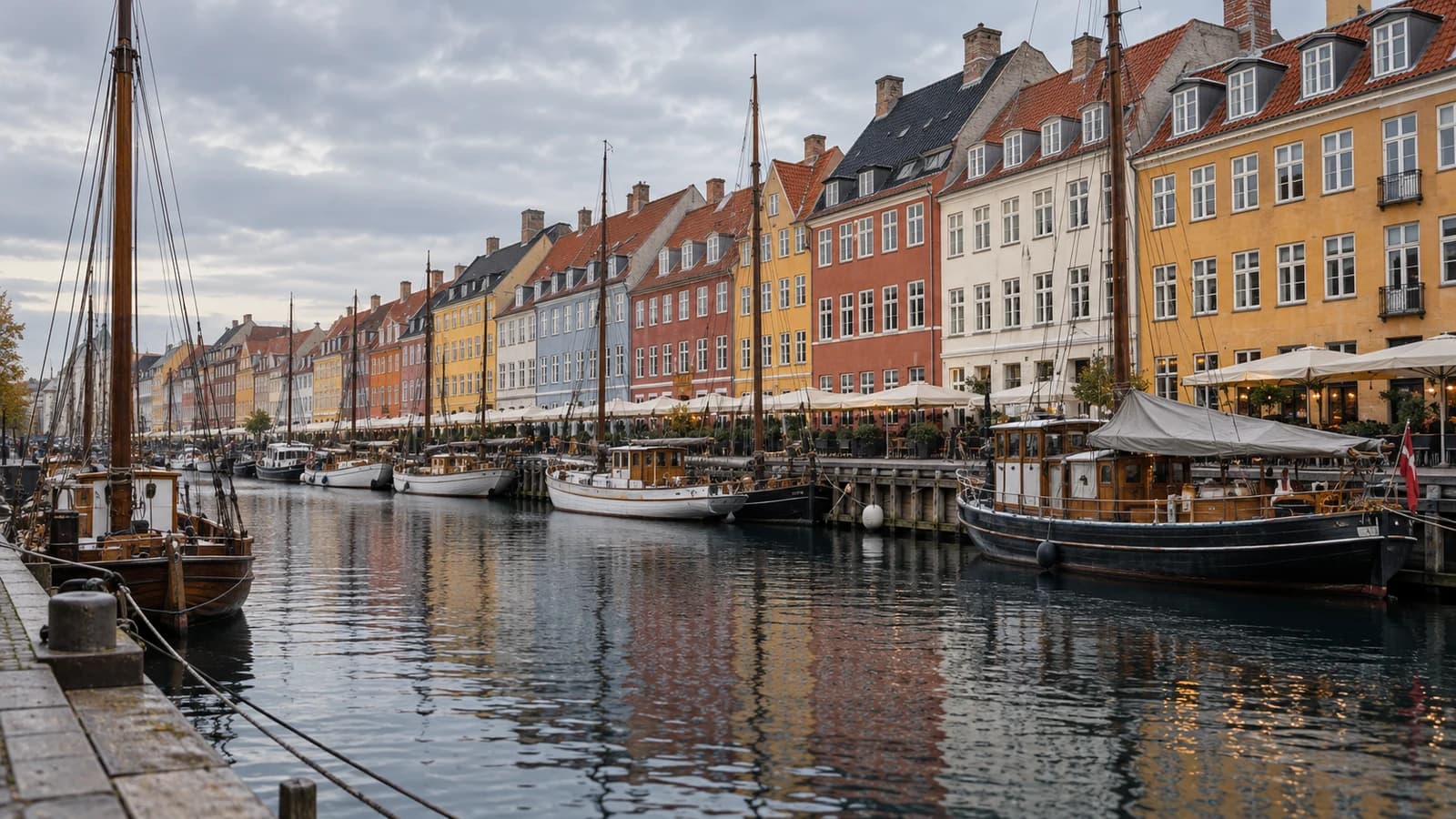
Original AI-created editorial image for REIR Journal; not an on-location photograph.
Colourful waterfront houses, royal palaces, historic streets and canals running through the city.
Copenhagen is an appealing destination for a short European city break.
One of its advantages is that visitors do not need to rent a car to explore its main attractions.
The Danish capital has an extensive public transport network, including metro lines, buses, trains and harbour buses. Many central attractions are also within walking distance of one another.
However, planning still matters.
Some museums require timed admission, public transport tickets depend on fare zones, and the best area to stay depends on what you want to see.
This guide explains how to spend two days in Copenhagen without a car, how to travel from the airport, which attractions to prioritize and where to look for accommodation.
Day 1: Nyhavn, Royal Copenhagen and the Waterfront
The first day focuses on Copenhagen's historic harbour and royal landmarks.
The route begins near Kongens Nytorv, continues through Nyhavn and Amalienborg, and finishes around the northern waterfront.
Morning: Start at Kongens Nytorv and Nyhavn
Begin at Kongens Nytorv, a central square served by all four Copenhagen metro lines.
From the square, walk toward Nyhavn.
Nyhavn is one of Copenhagen's most recognizable locations.
The canal is lined with colourful historic buildings, cafés and restaurants. Its maritime history dates back centuries, and the area is closely associated with Danish author Hans Christian Andersen.
Today, it is a popular place for walking, photography and canal tours.
You do not need to book an attraction to enjoy the waterfront.
Walk along the canal, explore the surrounding streets and take time to appreciate the architecture.
Practical tip: If you're planning a canal cruise, check the operator's route and departure location before purchasing a ticket. A commercial sightseeing cruise is different from Copenhagen's public harbour buses.
Official information: Nyhavn — Visit Copenhagen.
Late Morning: Walk to Amalienborg Palace
Continue toward Amalienborg Palace.
Amalienborg is the residence of the Danish royal family and consists of four architecturally similar palace buildings surrounding a central square.
The square itself is worth visiting, even if you do not enter the museum.
One of the main attractions is the changing of the Royal Guard.
According to Copenhagen's official tourism website, the ceremony takes place at noon.
The guards march through Copenhagen toward Amalienborg, and visitors can observe the ceremony from designated areas.
Important: Keep a respectful distance from the guards and follow the official positioning rules. Visitors should not block their route or stand too close to the palace buildings.
If you are interested in royal history, you can also consider visiting the Amalienborg Museum.
Museum admission is separate from simply visiting the square.
Official information: Amalienborg Palace — Visitor Information.
Afternoon: Kastellet and the Little Mermaid
After visiting Amalienborg, continue north toward the waterfront.
You can include the historic Kastellet fortress area in your walk before continuing toward the Little Mermaid sculpture.
The Little Mermaid is one of Copenhagen's most famous landmarks.
Created by sculptor Edvard Eriksen and unveiled in 1913, the sculpture was inspired by Hans Christian Andersen's fairy tale.
It stands on a rock beside the water near Langelinie.
The sculpture itself is relatively small, so it is best treated as one stop within a wider waterfront walk rather than an attraction requiring an entire afternoon.
If you prefer not to walk the whole route, Østerport Station is another useful transport connection.
The official tourism website places the Little Mermaid approximately 15 minutes on foot from Østerport.
Practical tip: Copenhagen's waterfront can be exposed to wind. Bring an appropriate outer layer, particularly outside the summer months.
Official information: The Little Mermaid — Visit Copenhagen.
Late Afternoon: Explore the Harbour by Public Transport
One interesting way to experience Copenhagen's waterfront is to use a public harbour bus.
These yellow electric boats operate as part of the city's public transport system.
Unlike commercial sightseeing cruises, they accept valid ordinary public transport tickets covering the relevant journey.
The official tourism website identifies two harbour bus routes:
Route 991 travels south toward Teglholmen.
Route 992 travels north toward Orientkaj.
The services connect several waterfront areas, including locations around the Royal Library, Islands Brygge and Refshaleøen.
Important: A harbour bus is public transport, not a guided sightseeing tour. It follows a scheduled route and does not provide the same experience or commentary as a commercial canal cruise.
Check the current route and departure times before planning your journey.
Official information: Copenhagen Harbour Buses.
Evening: Dinner Near the Waterfront
For your first evening, consider returning toward central Copenhagen or exploring the area around the Inner Harbour Bridge.
This pedestrian and bicycle bridge connects the Nyhavn area with Christianshavn.
The surrounding waterfront offers restaurants and places to sit near the water.
Choose a restaurant based on its current menu, opening hours and your preferences rather than assuming that every waterfront restaurant offers the same experience.
If you have dietary restrictions, check directly with the establishment before visiting.
Day 2: Rosenborg Castle, Food Markets and Christianshavn
The second day combines royal history, a food market and one of Copenhagen's most distinctive neighbourhoods.
Morning: Visit Rosenborg Castle
Begin near Nørreport Station.
From here, continue toward Rosenborg Castle, located beside the King's Garden.
Rosenborg was built during the reign of King Christian IV and is now home to important objects from Danish royal history.
Visitors can explore historic rooms and see the Danish crown jewels in the Treasury.
Do you need to book ahead?
Yes, advance planning is recommended.
The official operator, the Royal Danish Collection, sells admission tickets with designated time slots.
Entry times are allocated at ten-minute intervals, and tickets can sell out during busy periods.
If Rosenborg is a priority, book your preferred time before arranging the rest of the day.
Accessibility and luggage
Rosenborg is a historic building with stairs and narrow doorways.
The operator states that the castle does not have a lift.
Large suitcases cannot be stored in its cloakroom facilities, and backpacks are not permitted inside the exhibition areas.
This is particularly important if you plan to visit the castle immediately after checking out of your hotel.
Practical tip: Leave large luggage at your accommodation or another suitable luggage-storage facility before visiting.
Official information: Rosenborg Castle — Plan Your Visit.
Late Morning: Explore the King's Garden
After visiting the castle, spend some time in the surrounding King's Garden.
This provides an opportunity to slow down after the museum visit.
Depending on the weather, you can walk through the garden or continue toward nearby streets.
You do not need to add another paid attraction immediately.
For a two-day itinerary, leaving space between scheduled visits makes the trip more manageable.
Lunch: Torvehallerne Food Market
Continue toward Torvehallerne, near Nørreport Station.
Torvehallerne is a food market with two main market halls and outdoor stalls.
Visitors can find fresh produce, baked goods, speciality foods and prepared meals.
It is a practical lunch option because you can explore different vendors rather than committing to a full restaurant meal.
The market is also convenient for visitors using public transport, thanks to its proximity to Nørreport.
Practical tip: Check the market's current opening hours before visiting. Individual vendors may have different schedules.
Official information: Torvehallerne — Visit Copenhagen.
Afternoon: Discover Christianshavn
For the afternoon, head toward Christianshavn.
You can use the metro or travel through central Copenhagen on foot, depending on your starting point and energy level.
Christianshavn is known for its canals, colourful buildings and maritime atmosphere.
The area offers a different experience from the royal landmarks of the previous day.
Rather than rushing between monuments, explore the canal-side streets and waterfront.
You can also consider visiting the Church of Our Saviour.
The church is known for its distinctive spiral tower.
However, climbing the tower involves approximately 400 steps, and access conditions should be checked in advance.
If you prefer a more relaxed afternoon, simply walk along the canals and explore the neighbourhood.
Official information: Christianshavn Neighbourhood Guide.
Evening: Choose Your Final Experience
For your final evening, choose an activity based on your interests.
You could return to the historic centre for dinner, continue exploring Christianshavn or visit Tivoli Gardens if the park is operating during your stay.
Tivoli is located beside Copenhagen Central Station.
It operates during specific seasonal periods rather than following an identical schedule throughout the year.
October 2026 update: Tivoli’s official website lists its Halloween season from October 2 through November 1, 2026.
If you're visiting during that period, check the exact opening hours and ticket conditions before making plans.
Official information: Tivoli Gardens — Opening Seasons.
How to Get from Copenhagen Airport to the City Centre
Copenhagen Airport is connected to the city's metro and railway networks.
The most convenient option depends on your hotel's location.
Option 1: Metro Line M2
The M2 metro line connects Copenhagen Airport with central stations including Christianshavn, Kongens Nytorv and Nørreport.
The airport metro station is located at Terminal 3.
According to the official metro operator, the journey from the airport to Kongens Nytorv takes approximately 13 minutes.
The metro operates around the clock, although service frequency varies.
This is a convenient option for travellers staying near Nyhavn, Christianshavn or other metro-connected areas.
Option 2: Train to Copenhagen Central Station
If your accommodation is near Copenhagen Central Station or in Vesterbro, a direct train from the airport may be more convenient.
The airport railway station is also located at Terminal 3.
Check the current timetable and your hotel's walking distance before choosing between the train and metro.
Important: Buy the Correct Ticket
Copenhagen's public transport system uses fare zones.
An airport journey requires a ticket valid for the zones covered by your route.
Do not assume that the cheapest city-centre ticket also covers the airport.
Official information: Copenhagen Metro — Airport Connections.
Which Public Transport Ticket Should You Buy?
Copenhagen offers several ticket options.
The right choice depends on how frequently you expect to use public transport.
Single Tickets
A single ticket may be suitable if you plan to walk most of the time and use public transport only occasionally.
Ticket validity depends on the number of fare zones.
City Pass Small
City Pass Small covers unlimited eligible travel within zones 1–4 for the selected validity period.
These zones include central Copenhagen and the airport.
The pass is available for periods ranging from 24 to 120 hours.
It covers eligible metro, bus, train and harbour bus services.
For a two-day trip with several public transport journeys, this may be worth comparing against individual tickets.
Copenhagen Card
Copenhagen Card DISCOVER combines public transport with admission to participating attractions. Copenhagen Card HOP is different: it includes designated sightseeing buses, not ordinary public transport or airport transport.
It may be useful if you plan to visit several paid museums or landmarks.
However, it is not automatically the cheapest option.
Before purchasing, compare the attractions you actually intend to visit with the card's current inclusions and conditions.
Practical recommendation: If your itinerary focuses mainly on free outdoor attractions and walking, compare individual tickets first. If you plan frequent journeys and several paid attractions, compare City Pass and Copenhagen Card.
Official information: Copenhagen Public Transport Tickets.
Where to Stay in Copenhagen for Two Days
For a short trip, hotel location can make a significant difference.
Rather than choosing accommodation based only on the advertised nightly rate, consider how easily you can reach the airport, public transport and your planned attractions.
Indre By: Best for Historic-Centre Sightseeing
Indre By is Copenhagen's central district.
It includes major attractions, shopping streets and important transport connections.
Staying near Kongens Nytorv can be convenient for visiting Nyhavn and using the metro.
This is a practical area to investigate if you want to spend much of your visit walking.
However, exact hotel locations matter.
Check the distance to the nearest metro station and the surrounding streets.
Vesterbro: Convenient for Copenhagen Central Station
Vesterbro is an interesting option for visitors who want to stay near Copenhagen Central Station.
The neighbourhood includes restaurants, shops and nightlife areas.
It can be particularly practical if you plan to use the train between the airport and the city.
Before booking, check whether your accommodation is close to the station or farther into the neighbourhood.
Christianshavn: Canals and a Distinctive Atmosphere
Christianshavn may appeal to travellers who enjoy waterfront walks and quieter canal-side streets.
The area is connected to the metro network and is within reach of central Copenhagen.
However, the exact property location affects walking distances and transport convenience.
Nørrebro: A Different Side of Copenhagen
Nørrebro offers a more neighbourhood-focused experience.
The area is known for its varied restaurants, independent businesses and cultural diversity.
It may suit visitors who prefer staying outside the most tourist-focused streets.
For a short first visit, check how long it takes to reach your priority attractions.
What Should You Check Before Booking?
Compare the total accommodation price, room category, cancellation policy and included services.
Also check the route from the airport and whether the hotel is close to a useful metro or railway station.
A hotel that appears cheaper may be less convenient if it requires additional travel throughout your stay.
How REIR Can Help You Compare Hotels in Copenhagen
Once you've chosen your preferred area, you can begin comparing accommodation.
With REIR, you can search for a specific hotel and compare available offers from different booking providers.
Before choosing an offer, review the total price, room category, cancellation terms and included services.
REIR also provides Hotel Watch, a free monitoring feature that can track a selected hotel for up to seven days or until check-in, whichever comes first.
If a qualifying price drop is detected during the active monitoring period, REIR can notify you by email.
Hotel Watch does not guarantee that prices will decrease and does not automatically modify an existing reservation.
Search and Compare Hotels with REIR
Five Mistakes to Avoid in Copenhagen
Buying the wrong transport ticket. Check the fare zones, especially when travelling to or from the airport.
Assuming Rosenborg Castle always accepts walk-in visitors. The castle uses timed admission, and tickets can sell out.
Treating harbour buses as guided cruises. They are scheduled public transport services.
Trying to visit too many attractions in two days. Choose your priorities and leave time for walking and meals.
Booking a hotel based only on the nightly rate. Compare the total price, conditions and transport connections.
Frequently Asked Questions
Is two days enough for Copenhagen?
Two days can provide a good introduction to Copenhagen's historic centre, waterfront and major landmarks. A longer stay allows more time for museums and neighbourhood exploration.
Can you visit Copenhagen without renting a car?
Yes. Copenhagen has metro, train, bus and harbour bus services, and many central attractions are within walking distance.
How do you get from Copenhagen Airport to the city centre?
Metro Line M2 connects the airport with central stations including Kongens Nytorv and Nørreport. Trains also connect the airport with Copenhagen Central Station.
Does City Pass Small include the airport?
Yes. City Pass Small covers zones 1–4, including the airport, during its validity period.
Are Copenhagen's harbour buses included in public transport tickets?
Yes, provided your ticket is valid for the relevant journey and zones.
Do you need to reserve Rosenborg Castle tickets?
Rosenborg uses timed admission. Advance booking is recommended, especially during busy periods.
Where should first-time visitors stay in Copenhagen?
Indre By and areas near major transport connections are practical starting points. The best choice depends on your itinerary and hotel location.
Is Tivoli Gardens open throughout the year?
Tivoli operates during specific seasonal periods. Check its official calendar before visiting.
Final Thoughts
Copenhagen is a city where a short trip can work particularly well without a rental car.
Its public transport network connects the airport with central neighbourhoods, while many major attractions can be explored on foot.
For a two-day visit, the most useful approach is to organize your sightseeing geographically, reserve timed attractions when necessary and choose accommodation that suits your transport plans.
You do not need to visit every museum or landmark.
A balanced itinerary combining the waterfront, royal history and local neighbourhoods can provide an enjoyable introduction to the Danish capital.
Official sources
- Copenhagen Metro — Airport
- City Pass — DOT
- Copenhagen Card — Transport
- Nyhavn — Visit Copenhagen
- Amalienborg — Visit Copenhagen
- The Little Mermaid — Visit Copenhagen
- Harbour Buses — Visit Copenhagen
- Rosenborg — The Royal Danish Collection
- Torvehallerne — Visit Copenhagen
- Christianshavn — Visit Copenhagen
- Tivoli — Halloween 2026
- Public transport tickets — Visit Copenhagen